Mastering the Art of Blood Test Insights: Your Guide to Understanding What Your Results Really Mean
- Jun 23
- 4 min read
If you've ever felt a bit lost staring at a page full of numbers from your blood test, you're not alone. Blood tests can feel like a secret code, full of jargon and mysterious abbreviations. But here’s the good news: with a little guidance, you can become confident in interpreting those results. Understanding your blood test insights is a powerful step toward taking control of your health, especially when it comes to hormonal balance and overall wellness.
Let’s dive into this together. I’ll walk you through the essentials, share practical tips, and help you spot what really matters in your blood work. Ready? Let’s get started.
Unlocking the Secrets of Your Blood Test Insights
Blood tests are like a window into your body’s inner workings. They reveal how well your organs are functioning, whether your hormones are balanced, and if there are any hidden issues that need attention. But what do all those numbers mean?
First, it’s important to know that blood tests measure various components, such as:
Complete Blood Count (CBC): This looks at your red and white blood cells, hemoglobin, and platelets.
Metabolic Panel: This checks your blood sugar, electrolytes, and kidney and liver function.
Hormone Levels: These tests measure hormones like thyroid hormones, estrogen, progesterone, and cortisol.
Each of these components has a “normal” range, but remember, normal can vary from person to person. Your age, lifestyle, and even the time of day can influence your results.
Here’s a quick tip: Always compare your results with the reference ranges provided by the lab, but don’t panic if a number is slightly outside the range. It’s the overall pattern that counts.
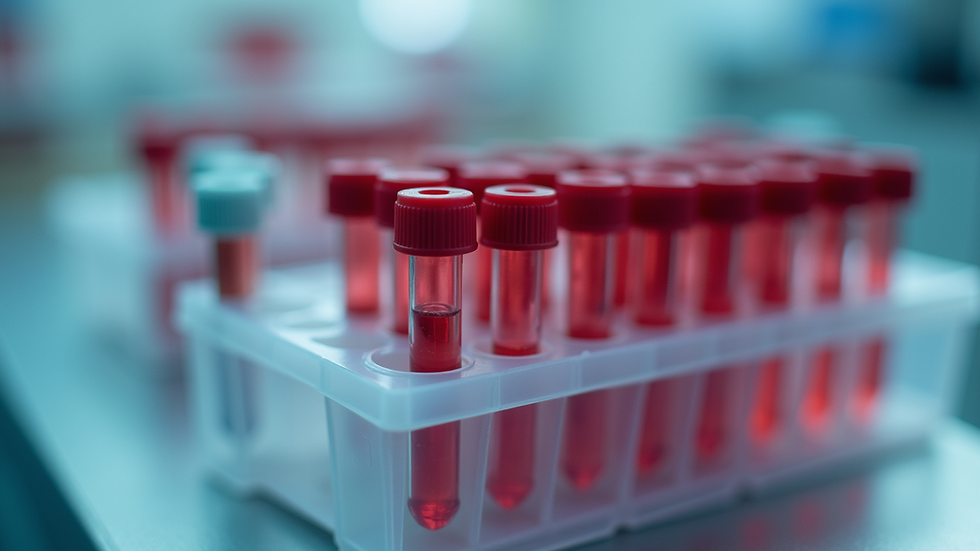
Why Blood Test Insights Matter More Than You Think
You might wonder, “Why should I care about these numbers?” Well, understanding your blood test insights can be a game-changer, especially if you’re navigating hormonal imbalances.
For example, if your thyroid hormones are off, you might feel tired, gain weight, or struggle with mood swings. If your blood sugar is high, it could signal insulin resistance, which affects energy and hormone balance. By catching these signs early, you can work with your healthcare provider to make lifestyle changes or explore treatments that help you feel like yourself again.
Here’s what I recommend:
Keep a health journal: Track your symptoms alongside your blood test results. This helps you see connections over time.
Ask questions: Don’t hesitate to ask your healthcare provider what each result means for you personally.
Look beyond the numbers: Consider how you feel physically and emotionally. Blood tests are just one piece of the puzzle.
Remember, your blood test insights are tools to empower you, not to scare you.
What are red flags in a blood test?
Knowing what to watch out for can save you from unnecessary worry or missed diagnoses. Some red flags in blood tests include:
Very high or low white blood cell count: This could indicate infection or immune system issues.
Abnormal liver enzymes: These might suggest liver stress or damage.
Unusual hormone levels: For women over 30, imbalances in estrogen, progesterone, or thyroid hormones can signal underlying problems.
High blood sugar or cholesterol: These are risk factors for diabetes and heart disease.
If you see any of these red flags, it’s important to follow up with your healthcare provider. They might recommend further testing or lifestyle adjustments.
Here’s a practical example: If your thyroid-stimulating hormone (TSH) is elevated, it could mean your thyroid is underactive. This often leads to fatigue and weight gain. Addressing this early can make a huge difference in your energy and mood.

How to Approach Your Blood Test Results with Confidence
Feeling overwhelmed by your blood test results is normal, but you can take steps to make sense of them without stress.
Get familiar with common terms: Learn what terms like hemoglobin, glucose, and TSH mean.
Use reliable resources: Websites from reputable health organizations can help explain your results.
Don’t self-diagnose: Use your results as a conversation starter with your healthcare provider.
Consider retesting: Sometimes, a single abnormal result needs confirmation.
One thing I always encourage is to view your blood test as a snapshot, not the whole story. Your body is dynamic, and results can fluctuate. Regular testing over time gives a clearer picture.
Taking Action: What to Do After Getting Your Blood Test Results
Once you have your results, what’s next? Here’s a simple plan to help you take charge:
Review your results carefully: Look for any values outside the normal range.
Note any symptoms: Are you experiencing fatigue, mood changes, or other signs that match your results?
Schedule a follow-up: Discuss your results with a healthcare provider who understands your unique health journey.
Make lifestyle changes: Nutrition, sleep, stress management, and exercise can all impact your blood markers.
Consider personalized coaching: Sometimes, having a guide to help you interpret and act on your results can make all the difference.
By taking these steps, you’re not just reacting to numbers—you’re proactively supporting your health and hormonal balance.
Embracing Your Health Journey with Blood Test Insights
Mastering the art of blood work interpretation is about more than just understanding numbers. It’s about connecting with your body, recognizing what it needs, and making informed choices that help you thrive.
Remember, your blood test insights are a powerful tool in your wellness toolkit. They can guide you toward better energy, balanced hormones, and a renewed sense of vitality. So next time you get your blood work done, don’t just glance at the numbers—dive in, ask questions, and take charge of your health story.
You’ve got this. Your body is speaking—are you ready to listen?


Comments